The Problem Hiding in Plain Sight
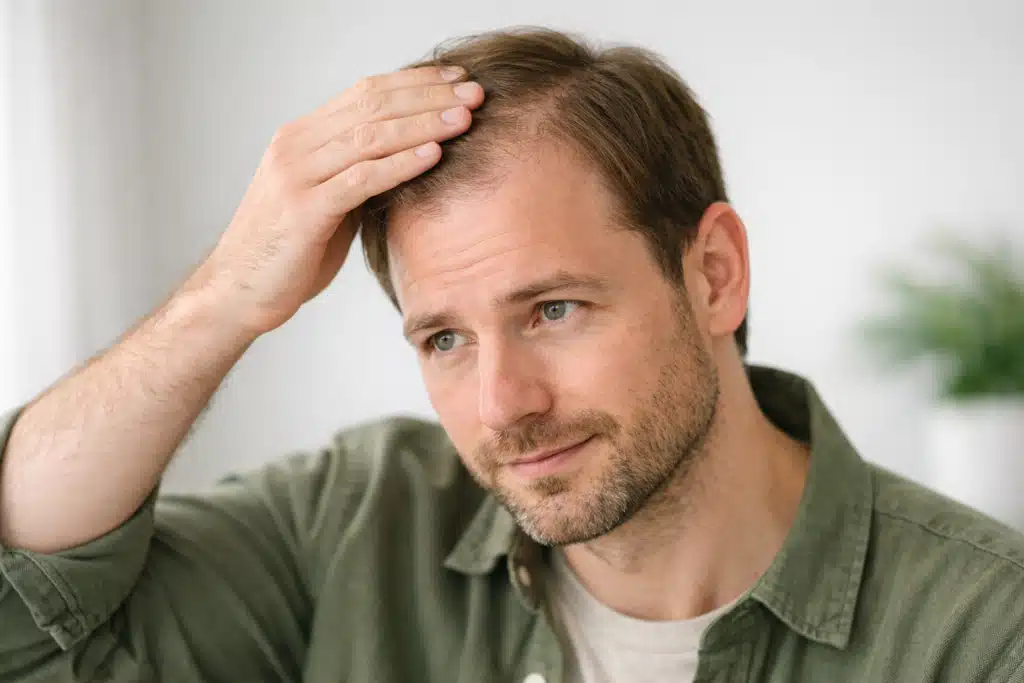
Have you ever experienced an itchy, burning, or uncomfortable scalp and simply dismissed it as “normal”? You’re not alone. Groundbreaking epidemiological research has uncovered a widespread health issue that affects nearly half the population — yet remains largely unrecognised and untreated.
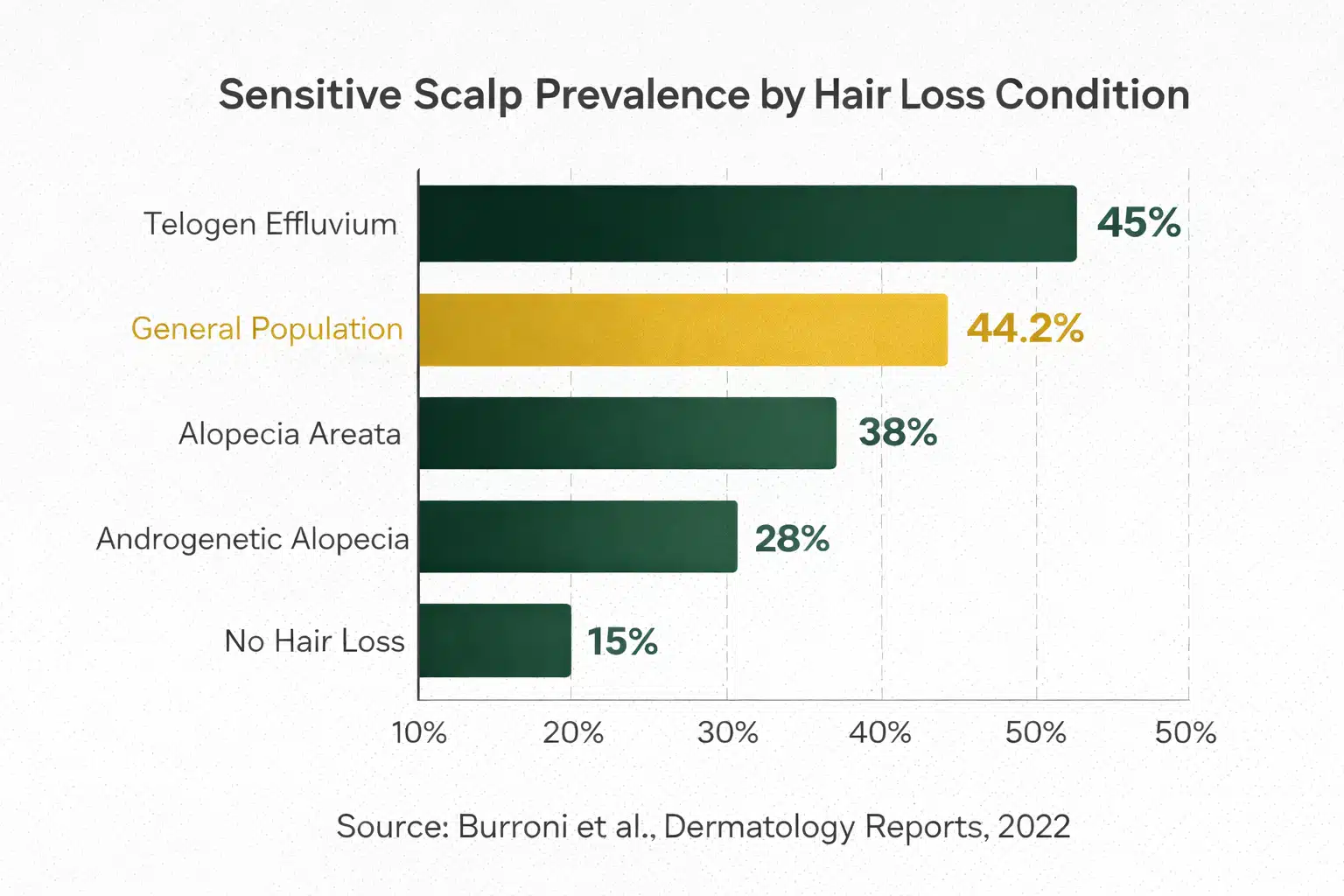
A landmark study published in the journal Contact Dermatitis revealed a startling statistic: 44.2% of the French population reported suffering from a “sensitive scalp”, with women slightly more affected (47.4%) than men (40.8%).1 What’s even more concerning is that most of these individuals never sought professional help, assuming their symptoms were simply something they had to live with.
What Exactly Is Sensitive Scalp?
Sensitive scalp isn’t just an occasional itch. It’s a recognised dermatological condition characterised by uncomfortable sensations including:
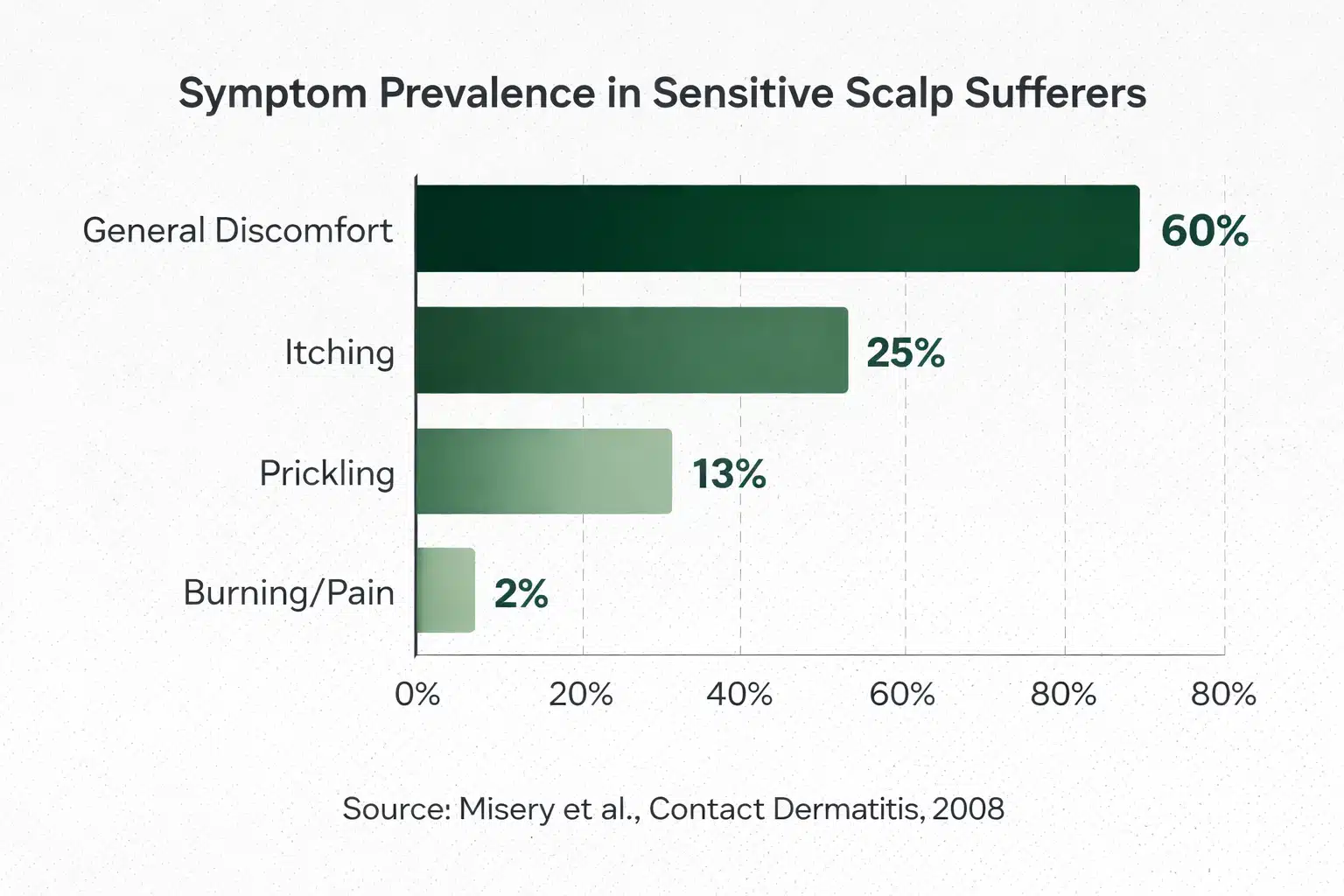
- Prickling (reported by 13% of sufferers)
- Itching (affecting 25% of cases)
- Burning or pain (experienced by 2% of patients)
- General discomfort and heightened sensitivity to touch
The Awareness Gap: From Symptoms to Diagnosis
Here’s where the story becomes troubling. Of those experiencing sensitive scalp symptoms, only 11.5% reported having an associated diagnosed scalp disease, compared to just 1.1% of those without sensitivity.1 This means millions of people are experiencing symptoms that could indicate an underlying, treatable condition — but they’re not getting diagnosed.
A 2022 study of 317 patients with hair loss disorders found that 32% complained of sensitive scalp symptoms, highlighting a critical connection between scalp health and hair conditions.2 Yet this correlation often goes unrecognised by both patients and many healthcare providers.
The Hidden Link to Hair Loss
Perhaps most concerning is the association between sensitive scalp and hair loss. Research published in Dermatology Reports documented that sensitive scalp symptoms were significantly more prevalent in patients with specific types of hair loss:3
- Telogen effluvium patients showed significantly higher prevalence of sensitive scalp (p <0.001)
- Alopecia areata patients exhibited statistically significant higher rates of scalp sensitivity
- Patients experiencing both conditions reported more severe symptoms
Why People Don’t Seek Treatment
1. Normalisation of Symptoms
Many people assume scalp discomfort is normal, especially if they’ve experienced it for years. “Everyone gets an itchy scalp sometimes, right?” This misconception prevents millions from seeking help.
2. Lack of Awareness
The term “sensitive scalp” isn’t widely recognised as a medical condition. Unlike other skin conditions like eczema or psoriasis, it doesn’t have the same public awareness.
3. Trial-and-Error Approach
People often try various over-the-counter products without understanding what’s causing their symptoms.
4. Assumption It’s Cosmetic, Not Medical
Many view scalp discomfort as a beauty concern rather than a health issue, leading them to salons rather than medical professionals — or nowhere at all.
The Triggers: What Makes Sensitive Scalp Worse?
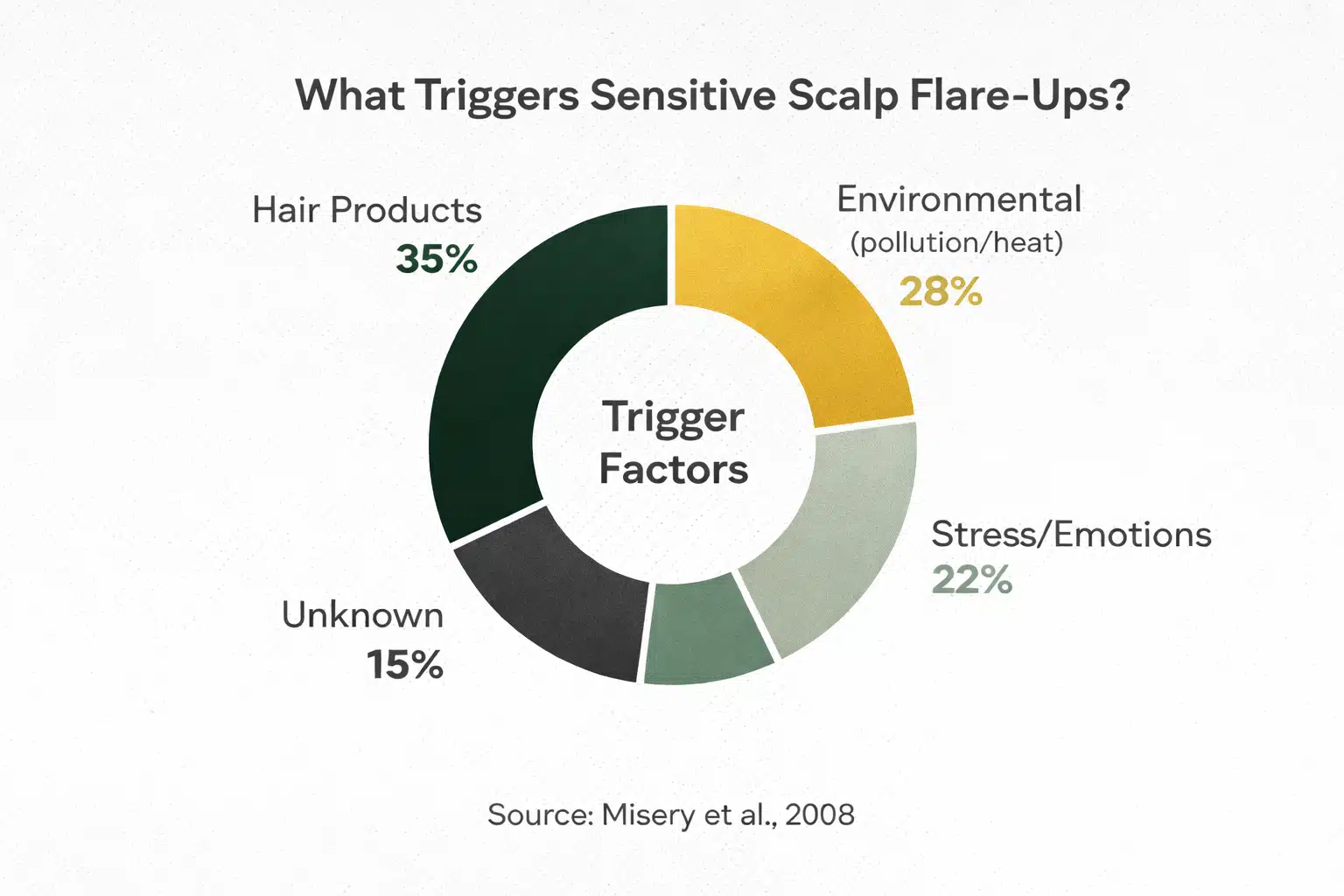
The French epidemiological study identified several key triggering factors:1
- Pollution — Environmental factors significantly exacerbate symptoms
- Heat — Hot water, blow dryers, and warm weather
- Emotional factors — Stress and anxiety
- Hair care products — Particularly shampoos with harsh chemicals
Interestingly, recent research published in Frontiers in Medicine found a possible association between sensitive scalp and the use of hair conditioners, suggesting that some ingredients may contribute to or worsen the condition.4
The Cost of Not Knowing
Living with undiagnosed sensitive scalp isn’t just uncomfortable — it can have real consequences:
- Quality of Life Impact: Constant discomfort affects daily activities, sleep quality, and self-confidence.
- Progressive Worsening: Without treatment, many scalp conditions worsen over time. What starts as occasional discomfort can progress to chronic inflammation.
- Ineffective Self-Treatment: The average sensitive scalp sufferer spends years trying different products, wasting money on solutions that don’t address the root cause.
- Missed Early Warning Signs: Sensitive scalp can be an early indicator of more serious conditions like seborrheic dermatitis, psoriasis, or inflammatory hair loss conditions.
A Worldwide Phenomenon
While the French study was groundbreaking, subsequent research has confirmed this is a global issue. A 2024 study published in the Journal of the European Academy of Dermatology and Venereology examined sensitive scalp prevalence worldwide, confirming similar patterns across different populations.5
The research team concluded: “Sensitive scalp exists and occurs frequently. Triggering factors are numerous. Symptoms appear different from those of facial skin sensitivity.”1
The Path Forward: Recognition and Treatment
The good news is that sensitive scalp is highly treatable once properly identified. A GP or dermatologist can examine the scalp under magnification (trichoscopy), which shows details that are hard to see with the naked eye.
What Professional Assessment Reveals
Trichoscopy can help identify:
- Inflammation patterns invisible to the naked eye
- Microbial imbalances on the scalp
- Early-stage follicle damage
- Specific condition markers for targeted treatment
Taking Action: When to Seek Help
You should consider seeing a GP or dermatologist if you experience:
- Persistent itching, burning, or discomfort lasting more than a few weeks
- Symptoms that interfere with daily activities or sleep
- Scalp sensitivity that worsens with certain products
- Concurrent hair shedding or thinning
- Previous attempts at self-treatment that haven’t worked
The Bottom Line
Sensitive scalp affects 44% of the population — that’s nearly one in two people. Yet it remains one of the most underdiagnosed and undertreated dermatological conditions. The assumption that scalp discomfort is “normal” or “just part of life” prevents millions from accessing effective treatments.
The research is clear: sensitive scalp is real, it’s common, and most importantly — it’s treatable. The first step is recognition. The second is an assessment by a GP or dermatologist. The third is targeted, evidence-based treatment.
Your scalp health matters. It’s time we treated it that way.
References
- Misery, L., et al. (2008). Sensitive scalp: does this condition exist? An epidemiological study. Contact Dermatitis, 58(4), 234-238. Read the study
- Burroni, A. G., et al. (2022). Sensitive scalp: an epidemiologic study in patients with hair loss. Dermatology Reports, 14(3), 9408. Read the study
- Souza, E. N., et al. (2023). Sensitive Scalp and Trichodynia. Skin Appendage Disorders, 9(6), 407-415. Read the study
- Brenaut, E., et al. (2021). Sensitive scalp: a possible association with the use of hair conditioners. Frontiers in Medicine, 7, 596544. Read the study
- Misery, L., et al. (2024). Perceived prevalence of a sensitive scalp: A worldwide study. JEADV, 38(2), e191-e192. Read the study